


Packaging
The right choice of packaging design contributes a big difference to the success of a product. Should the product be subjected to moisture or adverse effect during transportation, extra considerations should be made to choose materials used and packaging design. While a proper choice of packaging materials helps to protect the product for shippment, it also affects the total weight of the product and hence affects the cost and ease of handling of the product at POS;
Packaging Materials
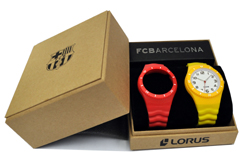
Plastic is the most commonly used materials for its low cost and light weight properties. It can be moulded into different sizes and shapes, and can even be applied to eatible items. If moisture prevention is one of the big issues to be circumvented, shrink wrap with plastic paper is a good choice as it can provide a vaccum seal to keep moisture out. Paper boxes will be the 2nd best choice of materials should one need to a versatile strength and stability to protect their goods. For fragile items, however, cushion with stuffing bubble wrap are commonly seen as it will not significantly increase the overall weight of the package itself.
A. Honeycomb packs - For customers who are environmentally conscious, 100% recyclable honeycomb paper packs are commonly used due to their low cost and versatility. From delicate small items like eggs or huge items like motors or refrigerators, nearly all products can be housed inside a honeycomb boards protectors carefully designed with die cut. Impact protection cushions can also be added to bulky items by using honeycomb paper. Flexibility and versatility of honeycomb paper packs can also be easily controlled by adjusting the density of the honeycomb.
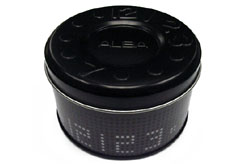
B. Metal packs - Metal packing includes the uses of aluminium, steel or tin. As most of them can be recycled again and again, less raw material is used to produce to the packings comparing with other packaging materials. Moreover, since metal tins are unbreakable and less suspicious from bacteria contaminations, they are very often utilized for food industries while they can be sealed in order to extend the preserve period. Also metal packing can be readily stacked up in retail shops to save up spaces.
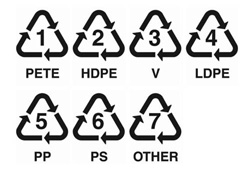
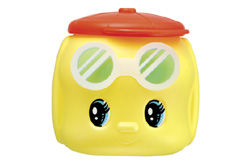
C. Plastic packs - Plastics can be shaped into different ways to serve diverse packaging applications. As more and more customers are cautious with the environment, and disposal of plastics has become one of their main concerns. In fact, today technology enables plastic packaging to meet different degrees of recycling requirements. To elaborate, plastic polymers (or resins) have become very popular in packaging, and resin identification coding system has been introduced in 1988 to meet recycling program needs. This is exactly the numbers and arrows we see everyday on plastic packaging. For instance
#1. Polypropylene (PET or polyester) - can be recycled as carpet, tote bags, film etc.
#2. High density polyethylene (HDPE) - can be recyled as household cleaners, recycling bins etc.
#3. Polyvinyl chloride (PVC) - can be recycled as carpet backing, floor tiles.
#4. Low density polyethylene (LDPE) - can be recyled as garbage can, trash can etc.
#5. Polypropylene (PP) - can be recycled as battery cases, bicycle racks etc.
#6. Polystyrene (PS) - can be recycled as video cassette casings, vents etc.
#7. Other
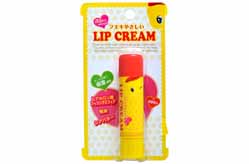
E. Skin packs - Skin packs are very similar to blister packs with one key difference. While blister packaging is made from pre-formed plastic, skin packs are formed around the product itself as it is packaged via vacuum or shrinking wrap technique, thus it is less secure than blister packaging. Skin pack is usually used for low-cost items where security is of minimal concern like small hand tools, small toys etc.
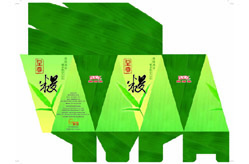
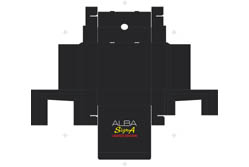
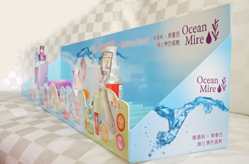
F. Die Cut - Die cutting or shearing is used to cut paper into shapes that can't be conducted by regular paper cutter after printing. This is of utmost important when special shapes like window, round corner, thin stripes, pockets with precise dimensions on products are required. Combining with special clean folds, packaging boxes, folders, and pockets can be tailor-made to customer's requirements.
Copyright © 1995- Daiichi Kogyo Printing (HK) Ltd. All rights reserved.